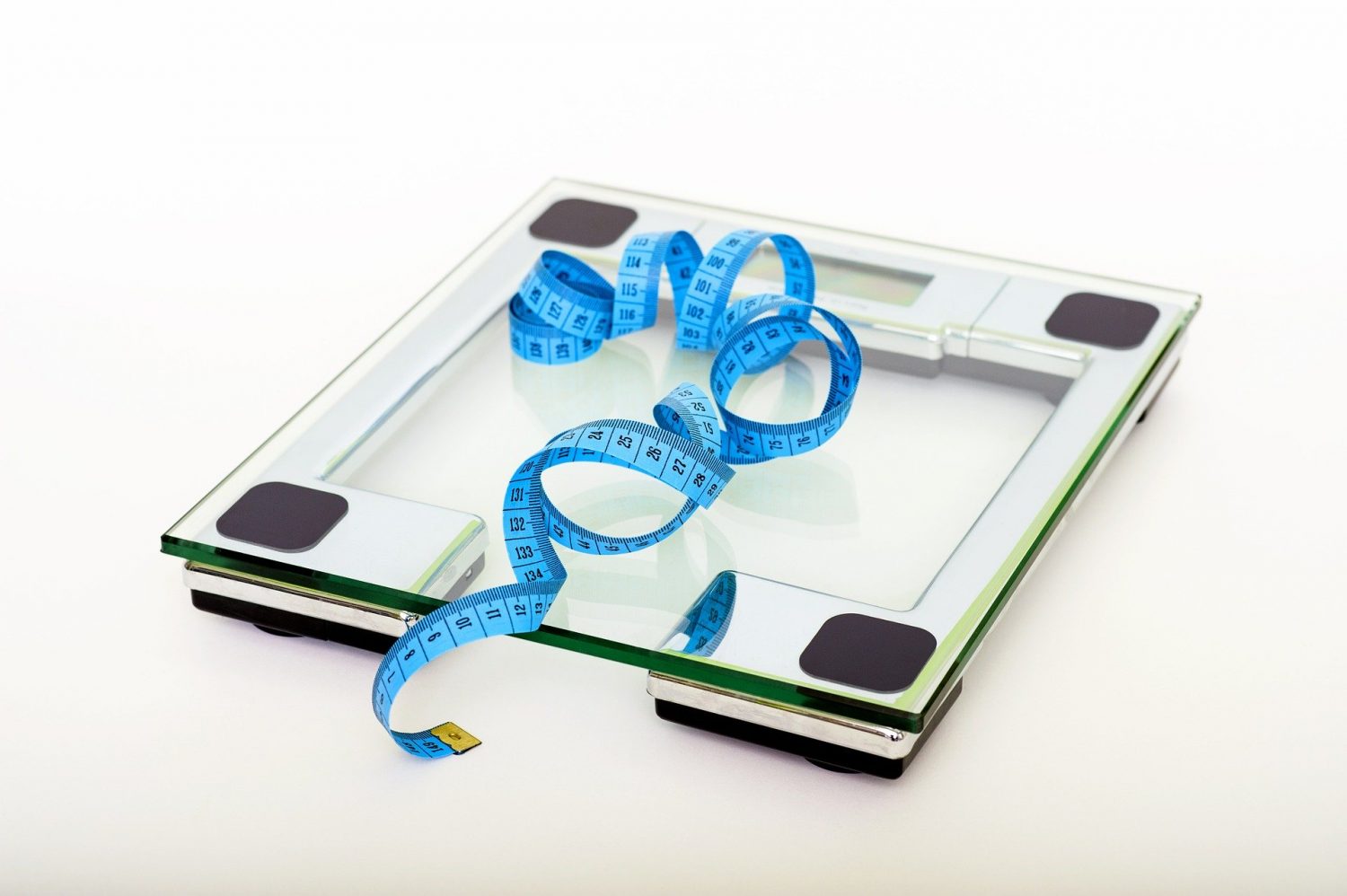
Are you someone that weighs yourself often and gets demotivated when the number on the scale doesn’t move or goes up even though you have worked really hard on your nutrition and fitness the whole week?
Daily or weekly weight fluctuations are normal, it all comes down to what and when we eat, drink, exercise and even how well we sleep.
There are several factors that can cause weight fluctuations:
Nutrient and Water Intake
- Eating a healthy balanced diet with minimally processed food and exercising regularly can help reduce significant weight fluctuation over time
- Foods high in sodium and carbohydrates cause water retention and may cause weight to spike temporarily
- Cutting back on processed foods and sugary drinks can help minimize water retention
- Drinking lots of water or consuming lots of healthy vegetables will add weight to your body because they contain weight but this will pass through the body relatively quickly so eating a well balanced diet can help reduce fluctuation
- Foods higher in carbohydrate, salt and fat will take longer to process in the body
Exercise
- Burning a lot of calories can result in weight loss but if you are adequately hydrating you may not see this immediately as weight loss on the scale – the water your drink replaces the water you lose through sweat
- If you have just started a weight training program or switched up the intensity of your routine, the scale may go up as you start to build lean muscle mass
Stress and Sleep
- Lack of sleep and stress lead to an increase in the stress hormone, cortisol which can cause havoc on the scale and over a long period of time can cause weight gain that’s more than just a temporary fluctuation
- It is therefore imperative to get good quality sleep and practice stress management techniques regularly to ensure the body recovers adequately
- Lack of sleep and stress can also cause an increase in appetite as well as the metabolism to slow down which will cause weight gain
Medications
Certain medication can cause the body to retain water, increase appetite or slow down the metabolism. Consult your GP if this is a concern
Menstrual Cycle
Your menstrual cycle can cause the body to retain more water at certain times of the month resulting in weight gain but daily weight should go back to your average within a few days of your cycle
Illness
When we get sick, weight can fluctuate up or down but if we have a chronic condition this can cause more than just a temporary fluctuation on the scale
When You Weigh Yourself
Depending on what time you weigh yourself, the number on the scale will fluctuate. It’s best to weigh yourself first thing in the morning when you get up and after you have been to the loo. If first thing in the morning doesn’t work for you then just make sure that whatever time you do weigh yourself, you keep it consistent each time. Make sure that you also weigh yourself each time either without clothing, or with similar clothing each time and use the same scale to keep it consistent
It can be a very interesting exercise to weigh yourself every day for a month to see how daily weight fluctuates. If you are someone who does not get obsessed or upset with the fluctuations, gathering this data can actually be very useful, but if it messes with your head and causes you to binge or throw in the towel every time the scale goes up, then rather don’t do it and limit weighing to once a week or even just to once or twice a month
Recognizing Progress With Non-Scale Victories
How often have you given up or gone on an binge eating session after getting on the scale and the number went up or didn’t budge? What if you were actually making real progress without realizing it and your gave up prematurely?
Yip, there are actually far superior progress indicators to use and so maybe it’s time to shift the focus from the number on the scale and focus more on these non-scale victories. The scale rarely marks the milestones along your journey to a fitter, leaner, healthier body. Long before we lose any weight, small signs of progress can actually blossom and we need to recognize these signs and celebrate them along the way.
Here are the key areas where non-scale victories can start to sprout if you have been consistently focusing hard on making progress with your nutrition, health and fitness goals.
 PHYSICAL INDICATORS
- Girth Measurements
- Body Fat Measurements
- How Clothes Fit
- More Energetic
- More Productive
- Feel Less Stressed
- Able to Train More Intensely or For A Longer Duration
 HEALTH INDICATORS
- Lower Blood Pressure
- Lower Cholesterol Levels
- Fewer Headaches
- Reduced Inflammation & Joint Pain
- Improved Digestion & Less Bloatedness
- Able to Wean Off Certain Medication
 EMOTIONAL INDICATORS
- Feel Happier
- More Self Confidence
- Fewer Mood Swings
- More Sociable
- Calmer
- Feel More In Control
 REST & RECOVERY INDICATORS
- Better Quality Sleep
- Quicker Recovery From Training
- Faster Recovery From Illness
 APPEARANCE INDICATORS
- Clearer & More Radiant Skin
- Stronger Hair & Nails
 HABITS & CONSISTENCY INDICATORS
- Eating Slower
- Eating Closer to 80% Full
- Choosing Smarter Carbs
- Exercising More Regularly
These habits are part of my Nutrition Coaching Program which my clients learn to practice more consistently one step at a time. More About Nutrition Coaching
So next time you feel despondent, focus on these non-scale victories and celebrate these wins no matter how small they are because very often they actually paint a far more accurate picture of progress and of you moving closer to your goals than the number on the scale.